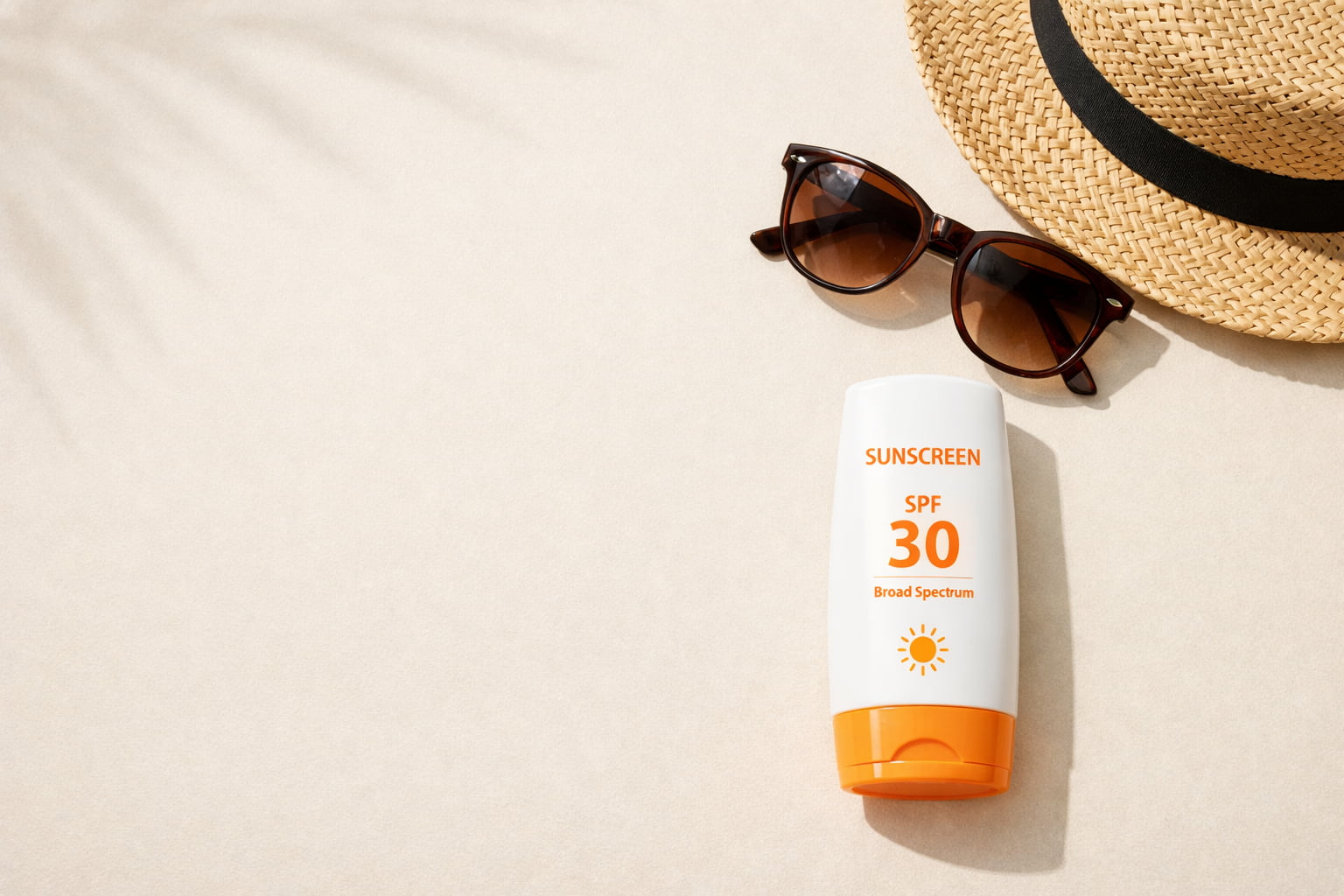
If you want healthier skin in the long term, sunscreen is not optional. It is one of the most important steps in any skincare routine. Many people buy sunscreen, but very few actually use it the right way. The truth is simple: if you do not apply enough, skip reapplication, or only wear it on sunny days, you are not getting full protection.
This practical guide explains how to use sunscreen correctly for daily skin protection in a simple and clear way. Whether you live in a sunny state like Florida or a colder state with snowy winters, daily sun protection matters.
Why Daily Sunscreen Use Is So Important
Sunlight contains ultraviolet (UV) radiation that affects your skin in two major ways:
- UVA rays cause premature aging, wrinkles, and dark spots.
- UVB rays cause sunburn and increase the risk of skin cancer.
Both types damage the skin over time. Even small amounts of daily exposure walking to your car, sitting near windows, or running errands add up.
According to the American Academy of Dermatology, sunscreen helps protect against skin cancer and early signs of aging when used properly. You can review their sun safety guidance here:
Daily skin protection is not just about preventing burns. It is about preventing long-term damage that may not be visible right away.
Understanding SPF: What the Numbers Really Mean
SPF stands for Sun Protection Factor. It measures protection against UVB rays.
Many people think SPF 100 gives double the protection of SPF 50. That is not true. The difference is very small.
Here is a simple chart to understand SPF levels:
| SPF Level | UVB Protection | Who Should Use It |
|---|---|---|
| SPF 15 | Blocks 93% | Minimal outdoor time |
| SPF 30 | Blocks 97% | Daily use for most people |
| SPF 50 | Blocks 98% | Extended outdoor activity |
| SPF 100 | Blocks 99% | Very intense sun exposure |
For daily skin protection, dermatologists usually recommend SPF 30 or higher with broad-spectrum protection.
Broad-spectrum means it protects against both UVA and UVB rays. Always check the label.
How Much Sunscreen Should You Apply?
Using too little sunscreen is one of the most common mistakes.
For full body coverage, adults need about one ounce, which is roughly the size of a shot glass.
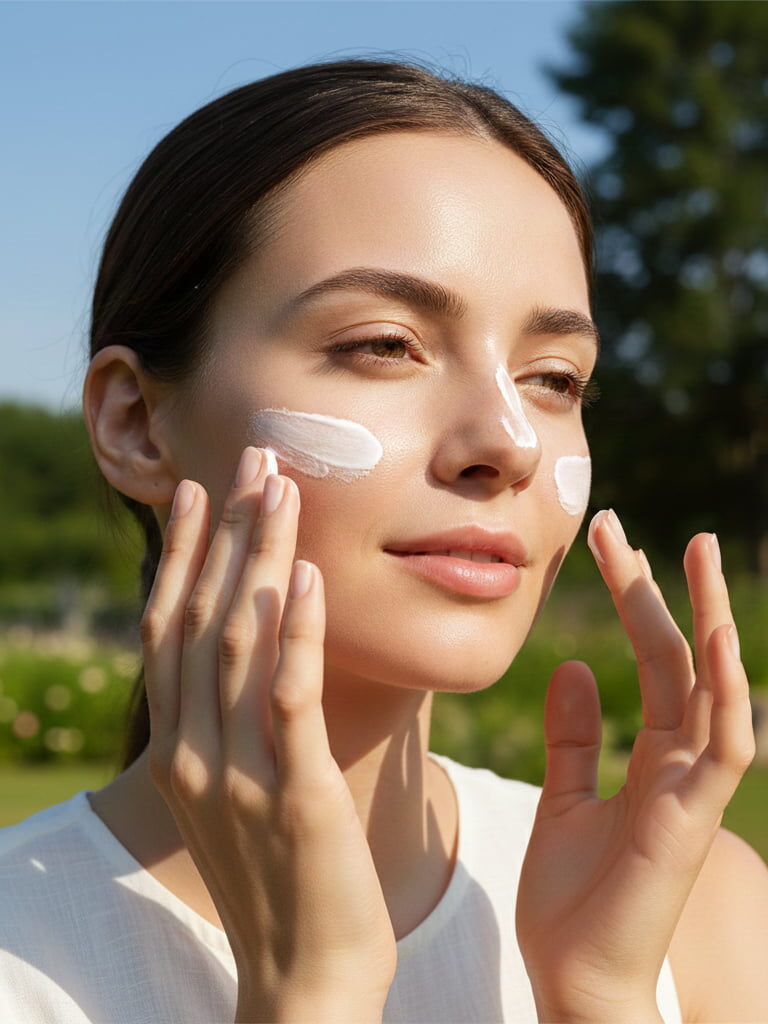
For the face alone:
- Use about half a teaspoon
- Or apply two full finger lengths of product
If you apply less than this amount, you reduce the actual SPF protection. For example, using half the recommended amount of SPF 30 may only give you protection closer to SPF 15.
When to Apply Sunscreen
Timing matters.
- Apply sunscreen 15 minutes before going outside.
- Reapply every two hours.
- Reapply immediately after swimming or sweating.
Even water-resistant formulas lose effectiveness after time. No sunscreen lasts all day without reapplication.
If you work indoors near windows, remember that UVA rays can pass through glass. Daily use is still necessary.
Correct Order in Your Skincare Routine
If you are unsure where sunscreen fits, follow this simple order:
- Cleanser
- Moisturizer
- Sunscreen
- Makeup
Sunscreen should be the last step of skincare and the first step before makeup.
If you wear foundation with SPF, do not rely on it alone. Most people do not apply enough makeup to reach full SPF protection.
Mineral vs Chemical Sunscreen
There are two main types of sunscreen. Both are safe and effective when used properly.
Mineral (Physical) Sunscreen
- Contains zinc oxide or titanium dioxide
- Sits on top of the skin and reflects UV rays
- Often better for sensitive or acne-prone skin
Chemical Sunscreen
- Absorbs UV rays and converts them into heat
- Usually lighter and easier to blend
- Leaves less white cast on darker skin tones
The best sunscreen is the one you will use consistently. Texture and comfort matter because daily use is the goal.
Common Mistakes That Reduce Protection
Many people believe they are protected when they are not. Here are common errors:
- Applying sunscreen only on sunny days
- Skipping it during winter
- Forgetting ears, neck, and hands
- Not reapplying
- Using expired sunscreen
Yes, sunscreen expires. Old formulas may not protect properly. Always check the expiration date.
Sunscreen for Different Skin Types
Choosing the right formula makes daily use easier.
- Oily skin: Look for oil-free or gel-based sunscreen.
- Dry skin: Choose hydrating formulas with added moisturizers.
- Sensitive skin: Mineral sunscreen is often gentler.
- Acne-prone skin: Choose non-comedogenic products.
If sunscreen feels heavy or causes breakouts, try another formula instead of skipping it completely.
Sunscreen in Different US Climates
UV exposure varies across the United States, but no state is risk-free.
- Southern states like Florida, Texas, and Arizona have strong sun year-round.
- Coastal states like California experience high UV levels.
- Northern states still have significant exposure, especially in summer.
- Snow reflects up to 80% of UV rays, increasing winter exposure.
No matter where you live, daily skin protection should be part of your routine.
Final Thoughts
Learning how to use sunscreen correctly is one of the simplest ways to protect your skin’s future. It helps prevent wrinkles, sunspots, uneven tone, and skin cancer.
You do not need an expensive product. You need the right amount, applied the right way, every single day.
Choose a broad-spectrum SPF 30 or higher. Apply enough. Reapply regularly. Make it a habit, not an afterthought.
Your skin does not need perfect care. It needs consistent protection.