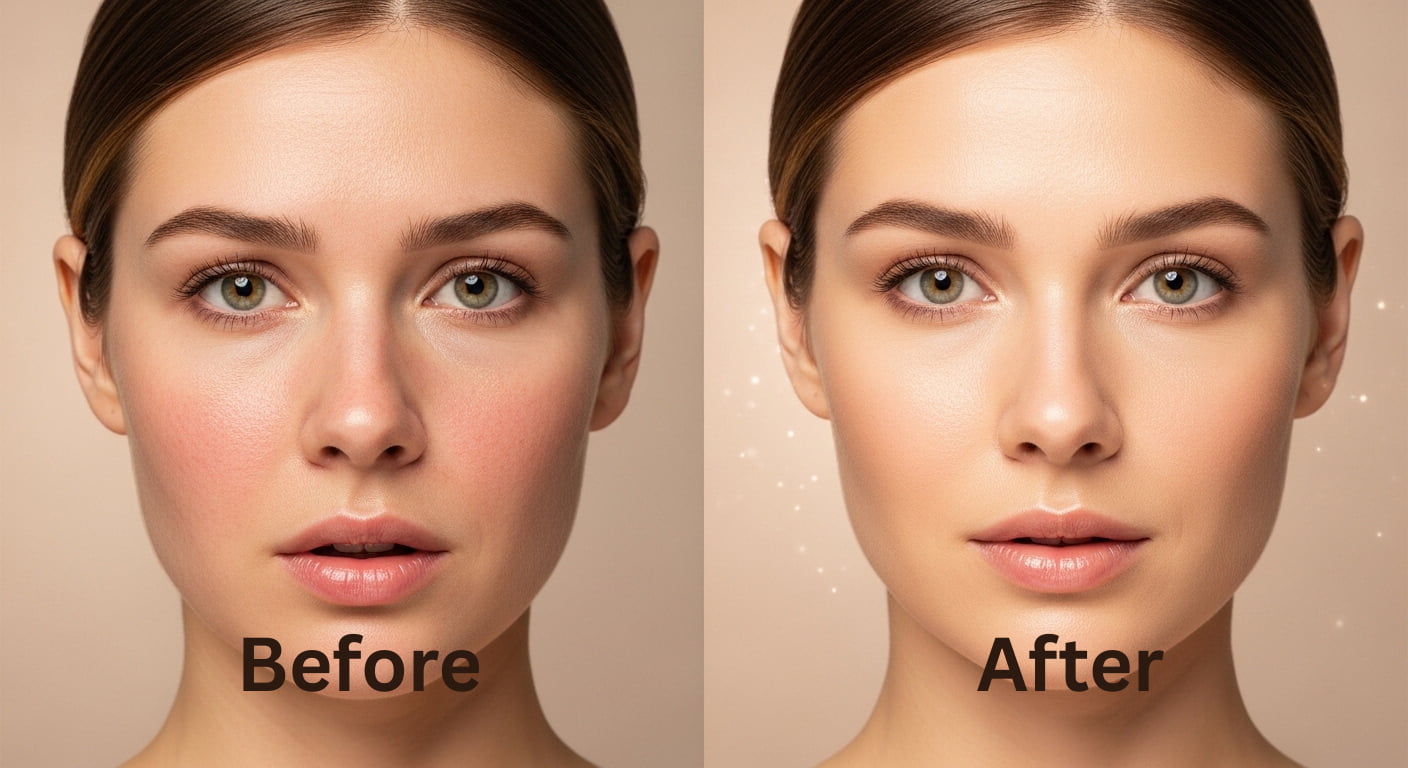
If you’ve ever applied a new moisturizer only to have your face turn bright red or feel like it’s on fire within minutes, you know the struggle of having sensitive or reactive skin. It’s frustrating, sometimes painful, and honestly, a bit exhausting. You want that “glow,” but instead, you’re just trying to stop the stinging.
In the world of skincare, “sensitive skin” is a broad term, but for those who live with it, it means your skin’s defense system is on high alert 24/7. Whether it’s due to genetics, environment, or over-using harsh products, the goal is the same: to calm the chaos.
In this guide, we’re going to build a simple, effective, and 100% gentle routine that actually works without causing a flare-up.
1. Sensitive vs. Reactive: What’s the Difference?
Before we dive into the routine, let’s understand what we are dealing with.
- Sensitive Skin: This is usually a skin type. You are born with it. Your skin is naturally thinner, or your barrier is more permeable, meaning irritants get in more easily.
- Reactive Skin: This is often a condition. Your skin might be fine one day, but then it “reacts” to a specific trigger—like a new fragrance, a spicy meal, or a cold wind.
Regardless of the category, the solution is the same: Building a resilient skin barrier. When your barrier is strong, your skin stops overreacting to every little change.
2. The “Less is More” Philosophy
The biggest mistake people with sensitive skin make is trying to “fix” the redness with more products. In reality, the more ingredients you put on your face, the higher the chance of one of them being a trigger.
For sensitive skin, a minimalist routine is your best friend. We aren’t looking for 10 steps; we are looking for 3 or 4 high-quality, soothing steps.
3. The Step-by-Step Routine
Step 1: The Non-Stripping Cleanser
Cleansing is the most “dangerous” part of a sensitive skin routine. Most cleansers use sulfates (like SLS) to create foam, but these also strip away the very lipids your skin needs to stay calm.
- What to look for: Look for “Soap-free,” “Fragrance-free,” and “Non-foaming” labels. Cream or milk cleansers are ideal.
- The Secret Tip: If your skin feels tight after washing, your cleanser is too harsh. Switch to something like a micellar water for sensitive skin or a gentle cleansing balm.
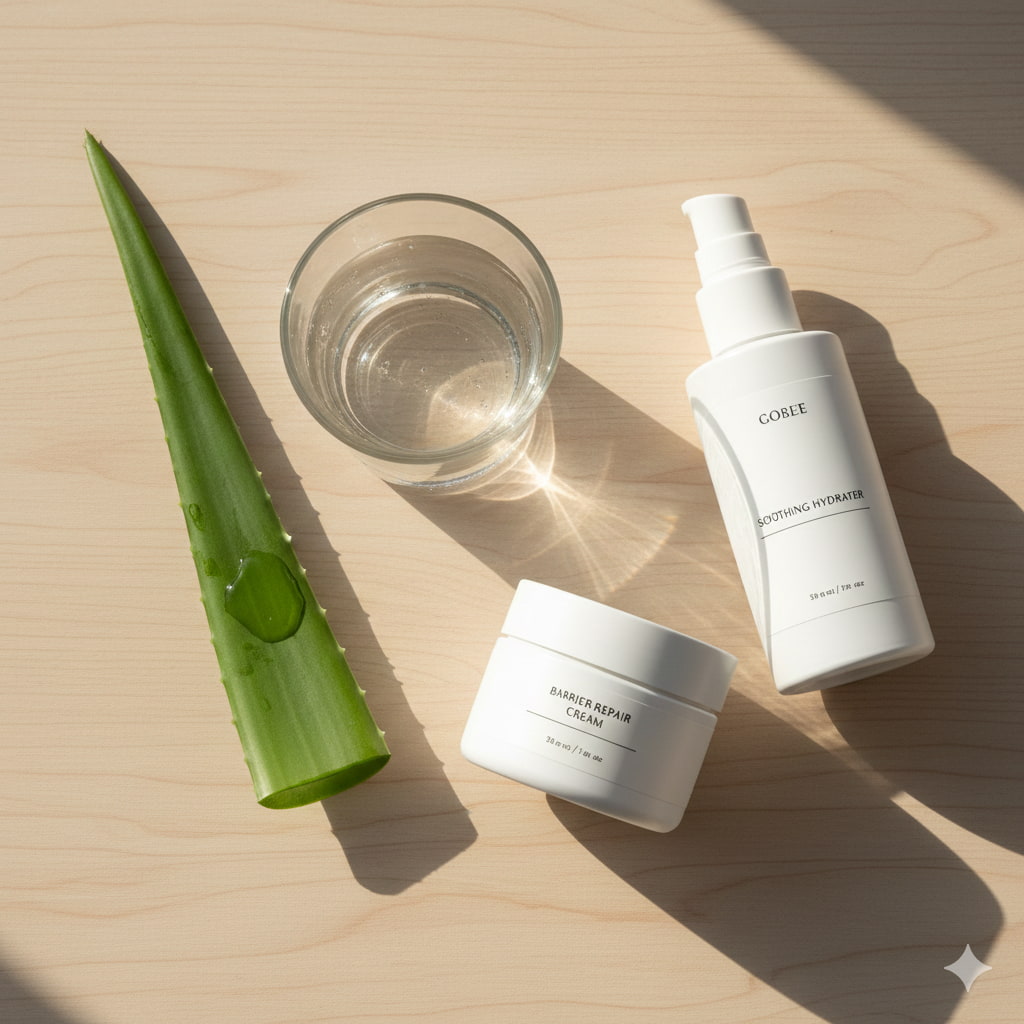
Step 2: The Soothing Hydrator (Optional)
If your skin is extremely dry, a soothing serum can help. However, avoid anything with “actives” like Vitamin C or high-strength Retinol during a flare-up.
- Ingredients to Love: Centella Asiatica (Cica), Panthenol (Vitamin B5), and Madecassoside. These are like a “hug” for your skin cells.
Step 3: The Barrier-Repair Moisturizer
This is the most important step. You need a moisturizer that mimics your skin’s natural oils.
- The Big Three: Look for Ceramides, Cholesterol, and Fatty Acids. These three work together to “plug the holes” in your skin barrier.
- Avoid: Stay away from essential oils (like lavender or citrus) as they are common triggers for reactive skin.
Step 4: The Mineral Shield (SPF)
Chemical sunscreens work by absorbing UV rays and turning them into heat, which can trigger redness in reactive skin.
- The Solution: Use Mineral Sunscreens (also called Physical sunscreens). They use Zinc Oxide or Titanium Dioxide to reflect UV rays like a mirror. Zinc is also naturally anti-inflammatory, which helps soothe redness.
4. Ingredients to Avoid vs. Ingredients to Embrace
Navigating an ingredient label can feel like reading a foreign language. Use this chart as a quick cheat sheet for your next shopping trip.
The Sensitive Skin Ingredient Guide
| Avoid These (Triggers) | Embrace These (Soothers) |
| Fragrance / Parfum (The #1 Irritant) | Ceramides (Repair the barrier) |
| Alcohol Denat (Drying) | Colloidal Oatmeal (Calms itching) |
| Physical Scrubs (Causes micro-tears) | Allantoin (Heals skin) |
| Essential Oils (Potent allergens) | Squalane (Weightless hydration) |
| Sodium Lauryl Sulfate (SLS) | Niacinamide (Anti-inflammatory) |
5. Common Triggers Beyond Skincare
Sometimes, the culprit isn’t your cream—it’s your environment. For people with US-based lifestyles, common triggers include:
- Hard Water: Many cities in the US have high mineral content in water, which can leave a film on the skin and cause irritation. Consider a shower filter.
- Central Heating: In winter, indoor heating sucks the moisture out of the air, leading to “winter itch” and sensitivity.
- Laundry Detergent: If your pillowcase is washed in heavily scented detergent, it could be causing your facial redness.
6. How to Safely Introduce New Products
Never apply a new product to your entire face immediately. Use the “72-Hour Patch Test” method:
- Apply a small amount to the inside of your wrist or behind your ear.
- Wait 24 to 48 hours to see if any redness or itching occurs.
- If clear, apply it to a small patch on your jawline for another 24 hours.
- Only then should you use it on your full face.
As noted by the Mayo Clinic, contact dermatitis can sometimes take days to appear, so patience is key.
7. The Role of Diet and Stress
There is a strong “Skin-Gut” connection. While skincare helps from the outside, internal factors can trigger “flushing.”
- Spicy Foods & Alcohol: These are known vasodilators (they open up blood vessels), which can make reactive skin look much redder.
- Stress: High cortisol levels can weaken your skin barrier. If you’re going through a stressful time at work, your skin is more likely to be sensitive.
8. Final Thoughts
Building a routine for sensitive skin is about respecting your skin’s limits. You don’t need to “scrub” it into submission or “burn” it with acids to see results. By choosing fragrance-free, barrier-repairing products and staying consistent, you can move away from “reactive” and towards “resilient.”
Your skin isn’t “bad” it’s just communicative. Listen to it, and give it the gentle care it’s asking for.